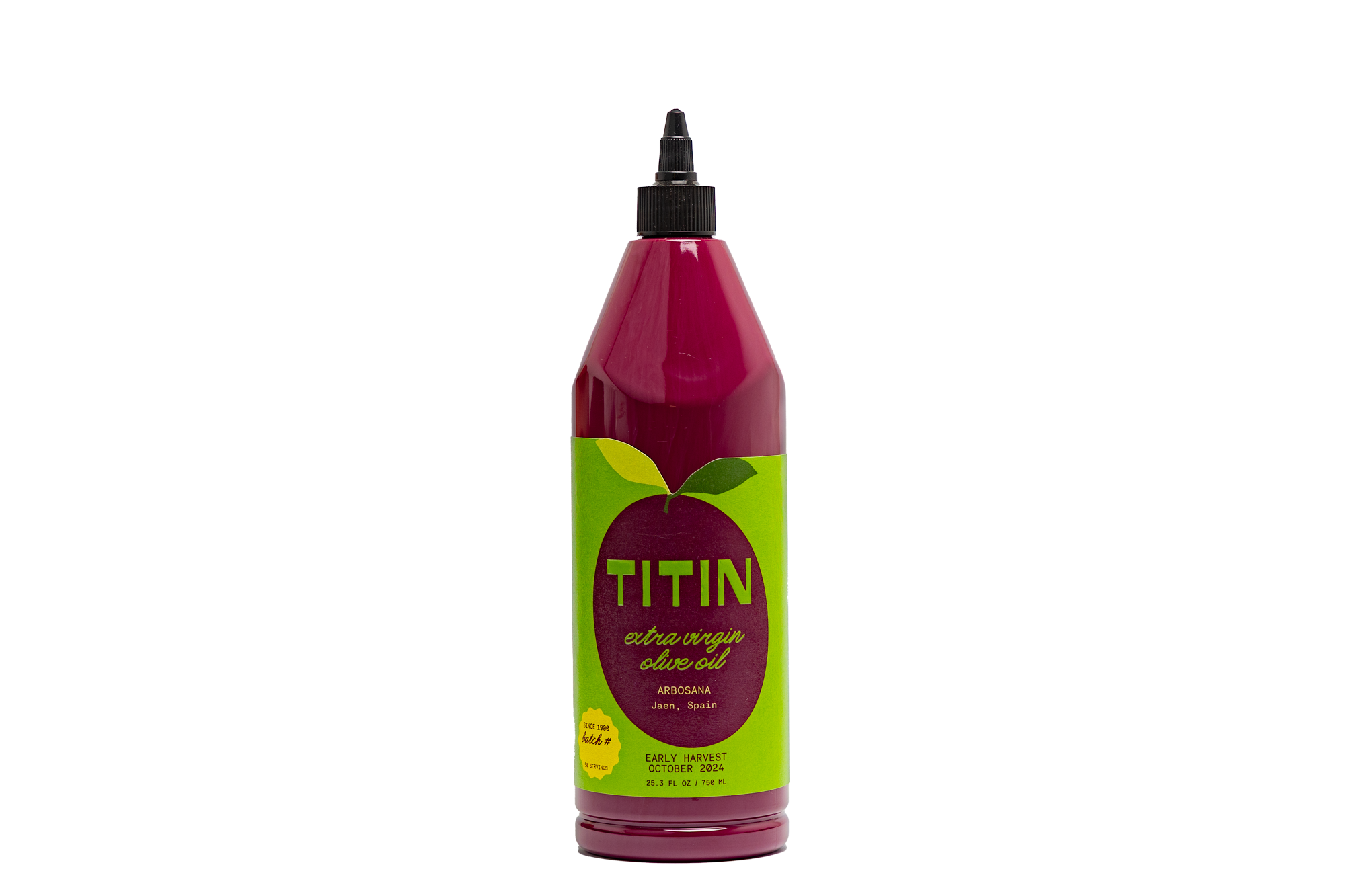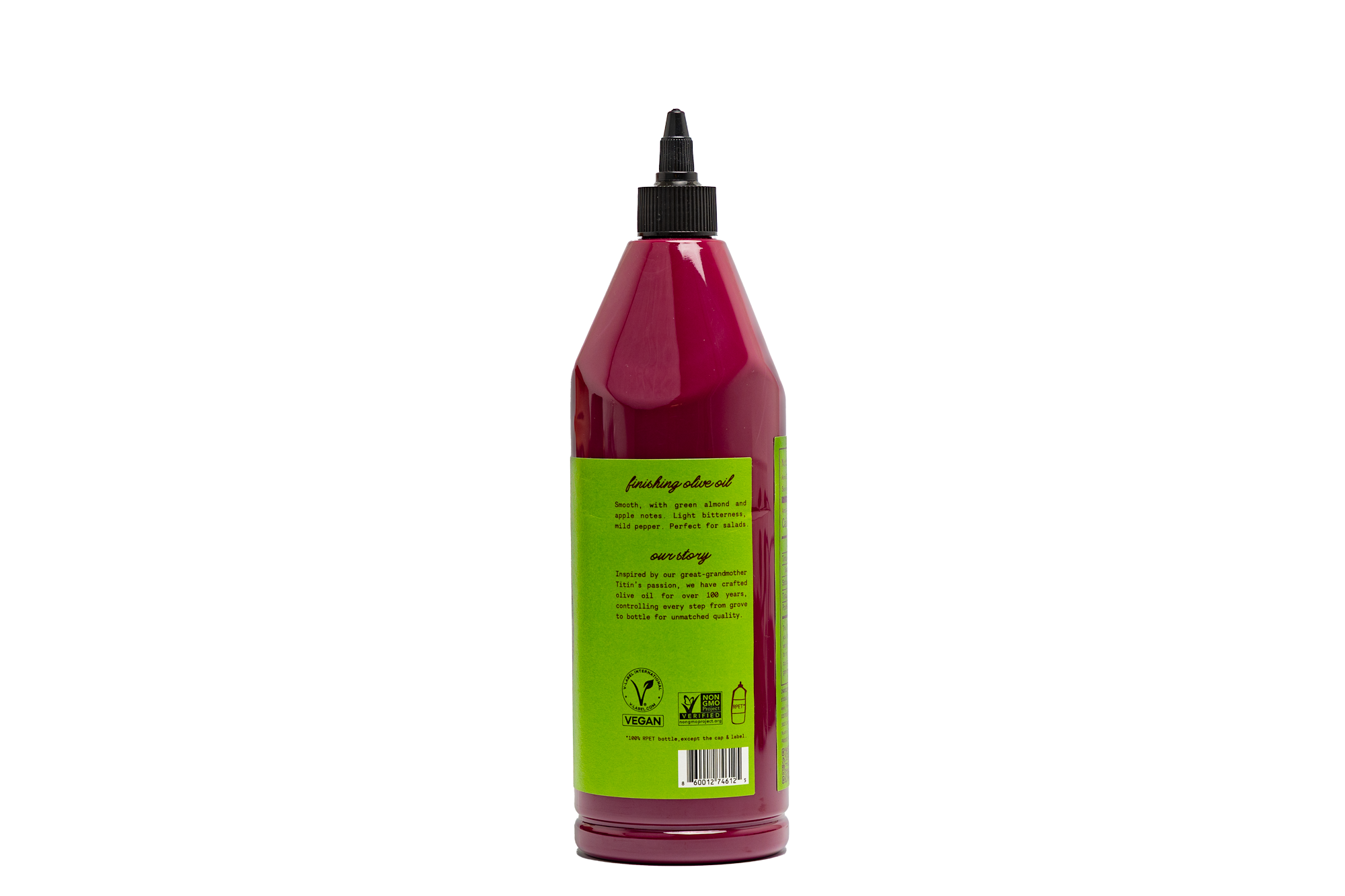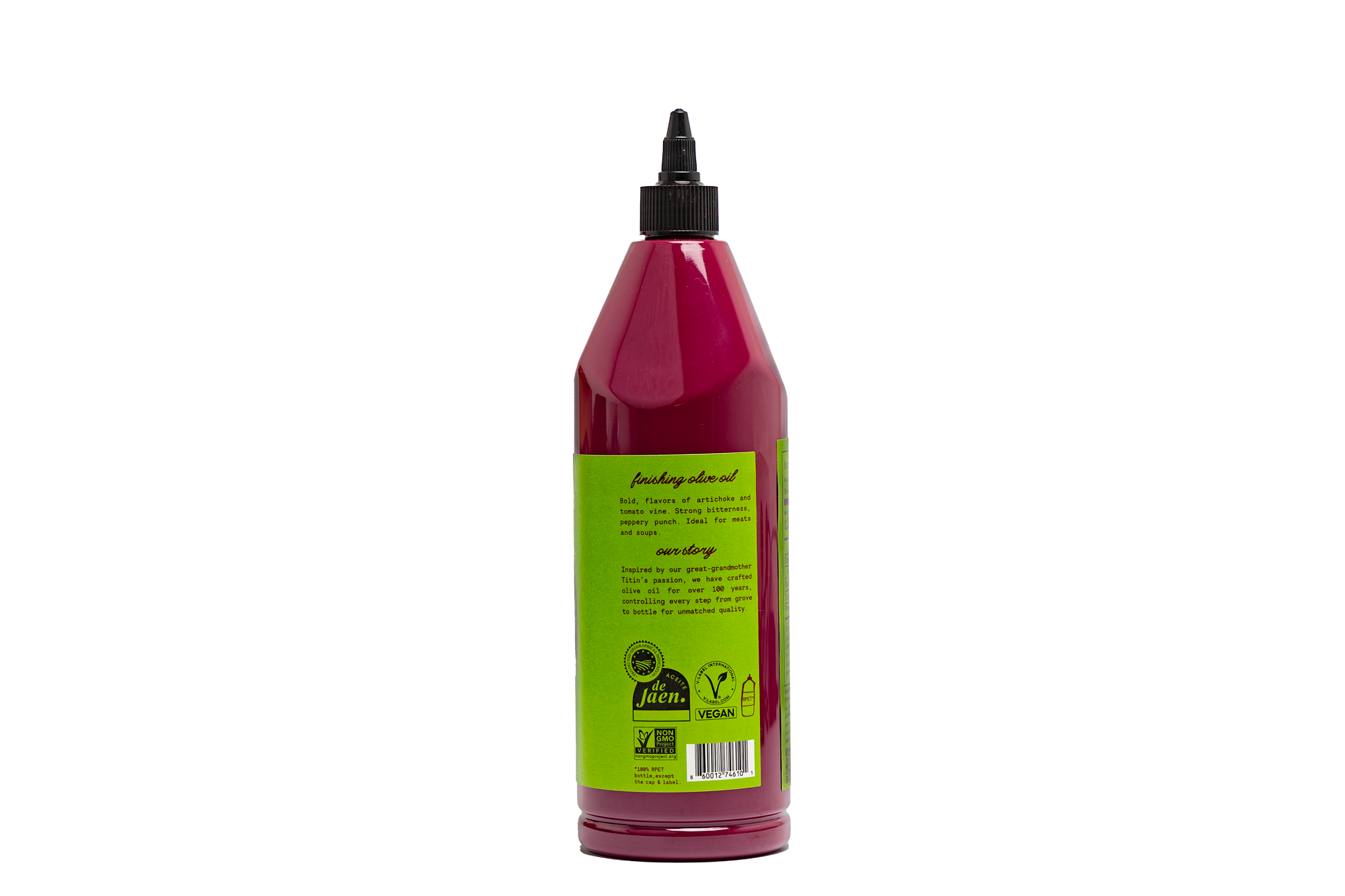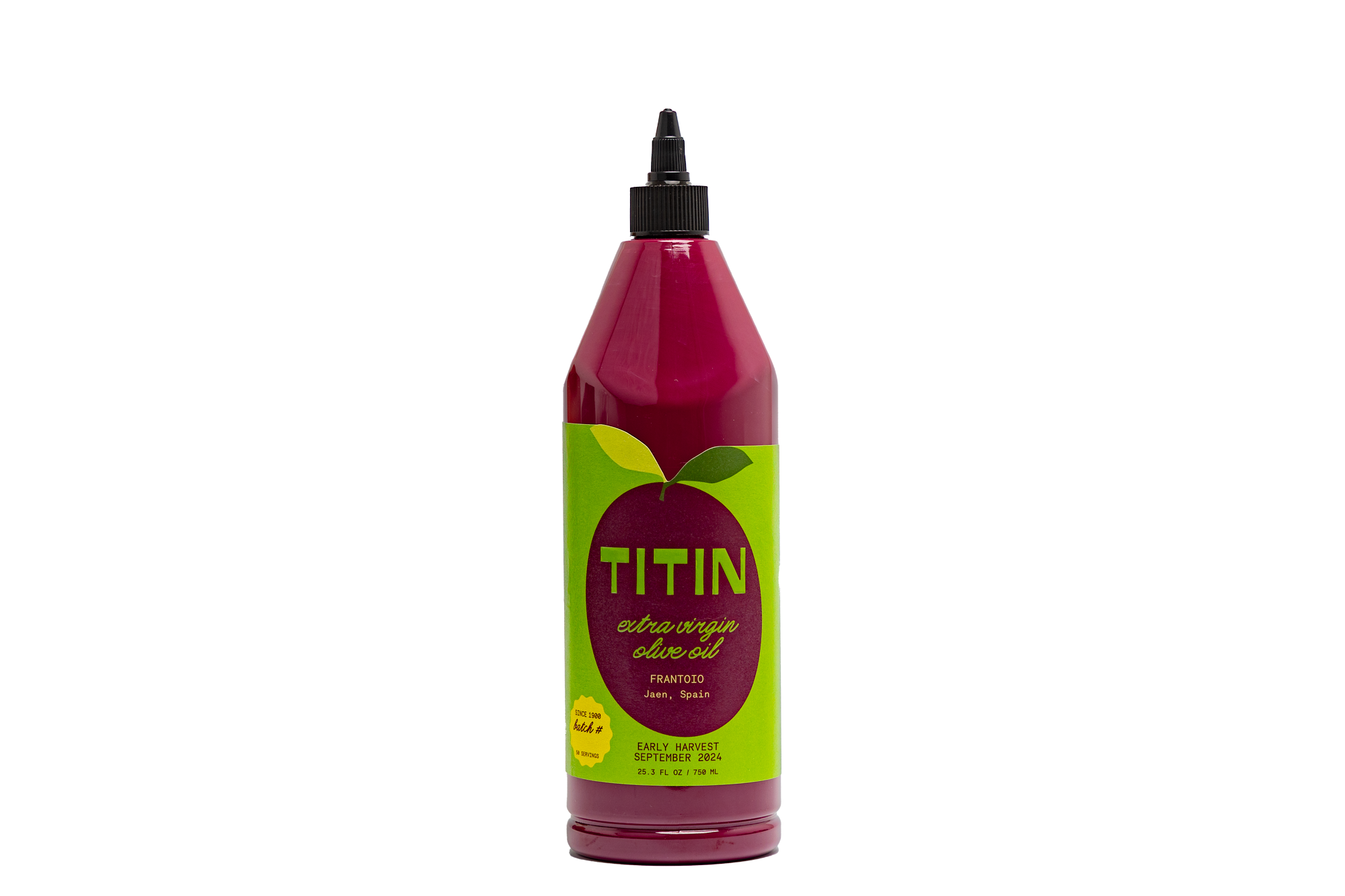



Quick answer: Extra-virgin olive oil (EVOO) beats avocado oil for everyday cooking. It has decades more nutrition research behind it, natural polyphenols you can actually taste, and a flavor that makes simple food better. Avocado oil's only real edge is a higher smoke point for very high-heat searing — everything else, EVOO wins.
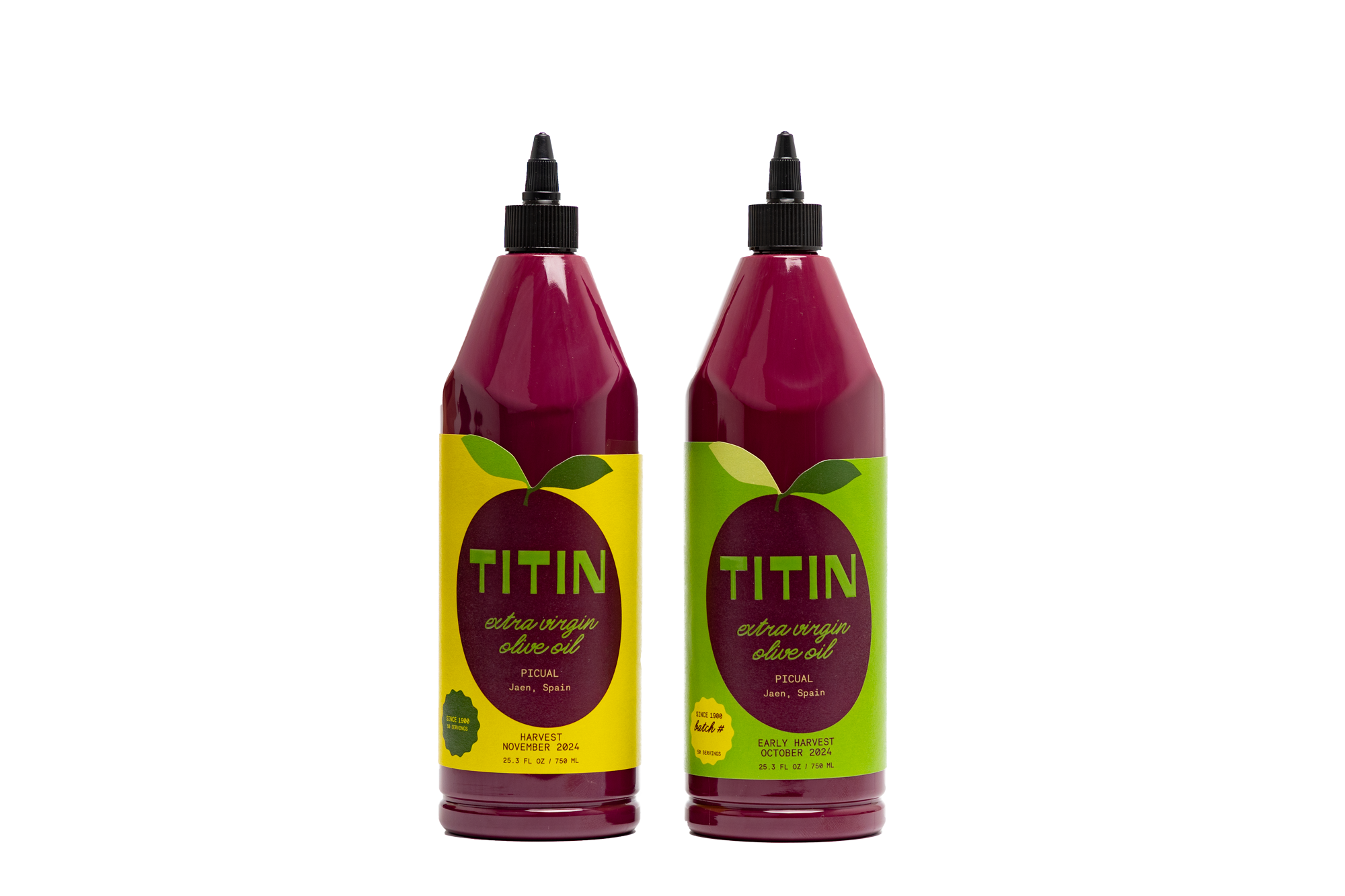
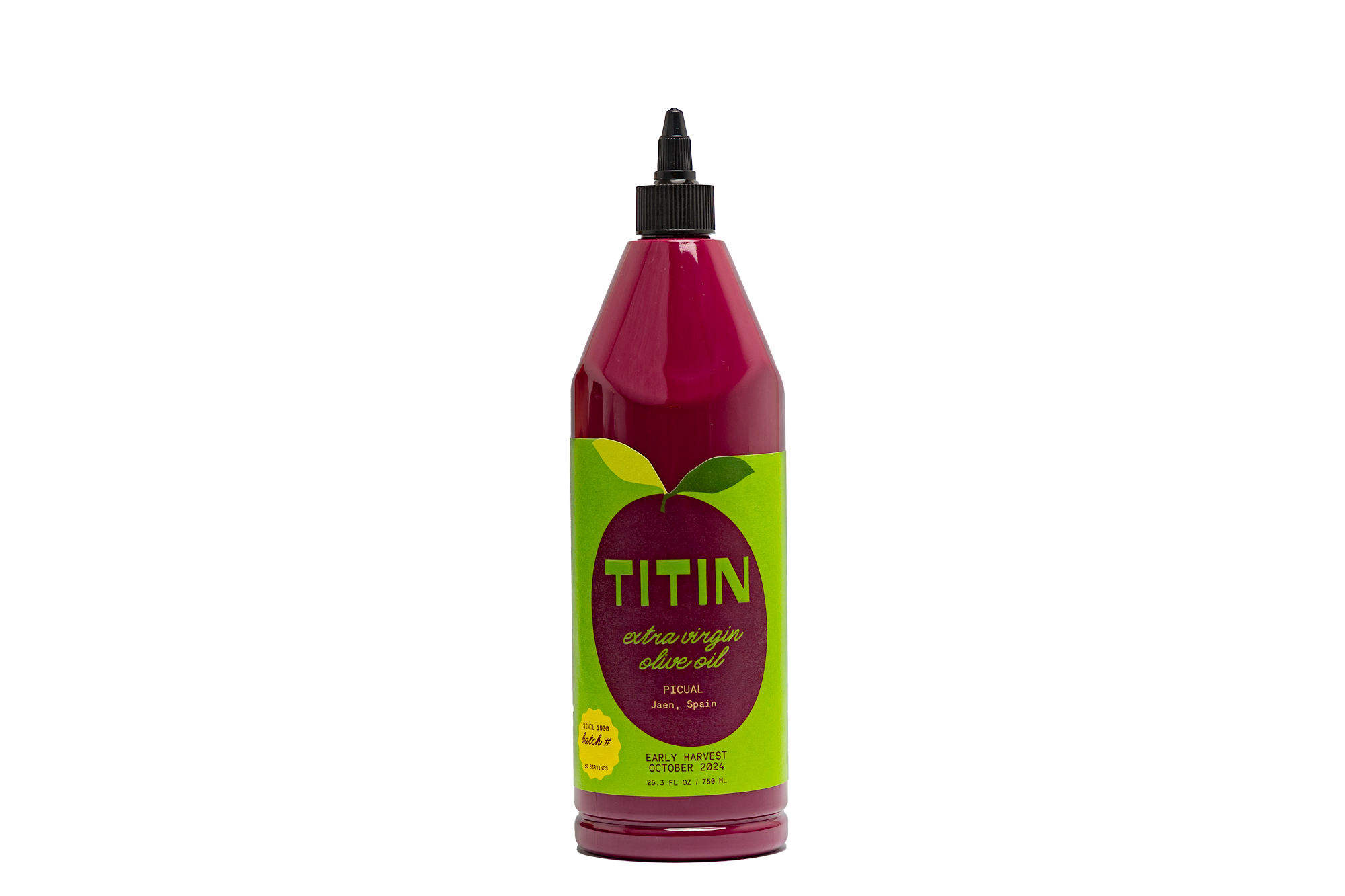
Reader offer: Use code TASTE20 for 20% off your first bottle of TITIN EVOO. Shop Universal Picual →
TL;DR — Key Takeaways
- Health: EVOO has far more human research behind it (Mediterranean diet studies) and contains natural antioxidant polyphenols. Avocado oil is a decent fat but far less studied.
- Flavor: EVOO is peppery, fruity, and bitter in a good way — it adds character. Avocado oil is mild and near-neutral.
- Heat: Refined avocado oil has a higher smoke point, so it's better for hard sears and wok cooking. EVOO handles sautéing, roasting, and finishing beautifully.
- Everyday default: Use EVOO for dressings, sautés, roasting, and finishing. Keep avocado oil on hand only for occasional high-heat jobs.
- Try it risk-free: New customers get 20% off with code TASTE20 — claim it here.
The Bottom Line First: Health Evidence Favors EVOO
Extra-virgin olive oil has been studied for decades thanks to the Mediterranean-style diet — meaning more long-term human data and clearer guidance on daily use than avocado oil currently has. Avocado oil is a solid monounsaturated fat, but the research base is thinner.
At TITIN, we see this play out in real kitchens: people try premium EVOO for the taste, then keep buying it because it helps them build satisfying meals without extra effort. A drizzle over tomatoes, beans, or grilled fish adds character, not just calories.
Bottom line: make EVOO your everyday default. Keep avocado oil around strictly as a high-heat specialist.
Shop Universal Picual — 20% Off with Code TASTE20
Nutrition Face-Off: Fats, Polyphenols, and Antioxidants
Both oils are rich in oleic acid, a heart-healthy monounsaturated fat. The real difference is what rides along with it.
- EVOO carries polyphenols and aromatic compounds that create peppery, fruity, bitter notes — signals of freshness and bioactivity, not just flavor.
- Avocado oil is milder and often refined to boost smoke point, which strips out many of those naturally occurring compounds.
If you want an oil that contributes flavor and antioxidants, choose a quality EVOO. If you want a neutral canvas (say, for a delicate baked good), avocado oil fits better.
Smoke Point, Refining & Real-World Cooking
Smoke point isn't the only measure of an oil's quality, but it matters for specific techniques.
| Technique | Temp Range | Best Choice | Why |
|---|---|---|---|
| Dressings, dips, finishing | N/A | EVOO | Flavor + polyphenols |
| Everyday sauté (veg, fish, eggs) | Medium | EVOO | Stability + taste |
| Moderate roasting | 350–425°F / 175–220°C | EVOO | Browning + aroma |
| Hard sear, wok, grill | 450°F+ / 230°C+ | Refined avocado oil | Higher smoke point |
| Baking (neutral flavor) | 325–375°F / 165–190°C | Avocado or mild EVOO | Depends on flavor goal |
Pro tip: for high-heat searing, cook with refined avocado oil and finish with a drizzle of EVOO off the heat — you get the sear and the aroma.
In TITIN's own kitchen testing, our EVOO handles medium-heat sautés and roasting up to ~400°F without turning bitter or burnt.
Flavor & Versatility: Where EVOO Shines Day to Day
EVOO is rarely neutral — that's the whole point. A good bottle brings green, fruity, peppery notes that wake up vegetables, grains, beans, and proteins, and it pairs naturally with citrus, tomatoes, and herbs.
Avocado oil tends to be mild and slightly grassy — useful when you want the oil to stay in the background, but it can leave dishes tasting flat without extra seasoning.
TITIN customers often tell us they start using EVOO for salads and end up reaching for it on toast, soups, and roasted vegetables too — because it lets you use less salt and fewer add-ons while making simple food taste finished.
Grab a Bottle of Universal Picual — Code TASTE20
How to Choose a Truly Premium EVOO (and Avoid Bland Bottles)
- Harvest date over "best by." A recent harvest means real flavor.
- Dark glass or tins. Light degrades the aromatic compounds that make EVOO worth buying.
- Aroma check. Look for clean green-apple or herbal notes — skip anything waxy or flat-smelling.
- Taste for the trio. Fruitiness, bitterness, and a peppery finish should all be present and balanced.
- Traceability. Lot/batch info and a known source signal real quality control.
- Storage. Keep it in a cool, dark place, capped tightly, and use it while it's fresh.
At TITIN, we prioritize recent-harvest, single-origin, single-variety oils in dark glass — and we reject any lot that doesn't deliver that fresh, alive taste on the palate.
When Avocado Oil Makes Sense (and When It Doesn't)
Reach for avocado oil when:
- You need very high heat for a short, intense sear or stir-fry.
- You want a near-neutral background flavor.
- You're baking something where you want the oil to disappear into the crumb.
Stick with EVOO when:
- You're making dressings, dips, marinades, or finishing drizzles.
- You're doing everyday sautés and roasts at moderate heat.
- You want both the health story and the flavor upgrade.
Quick Recipes & Use Cases
5-Minute Lemon-Garlic Vinaigrette (EVOO)
3 tbsp EVOO, 1 tbsp lemon juice, 1 grated garlic clove, ½ tsp Dijon, salt and pepper. Shake and use on tomatoes, chickpeas, or grain bowls.
Weeknight Pan Sauté (EVOO)
Medium heat, 1–2 tbsp EVOO, sliced shallot, zucchini or asparagus, a pinch of salt. Cook 5–7 minutes, finish with herbs and a teaspoon more EVOO off heat.
High-Heat Sear + EVOO Finish (Avocado Oil → EVOO)
Sear steak, tofu, or mushrooms in hot avocado oil. Rest, then finish with a generous drizzle of TITIN EVOO and flaky salt.
No-Cook Herby Drizzle (EVOO)
¼ cup EVOO, 1 tbsp red wine vinegar, chopped parsley and basil, chili flake, salt. Spoon over white beans, grilled fish, or roasted cauliflower.
Looking for more ideas? Browse our full recipes collection.
FAQs
Is avocado oil healthier than olive oil?
Both are solid choices, but EVOO generally gets the edge — it's been studied more extensively in humans and brings natural polyphenols to the table. Use EVOO as your default and keep avocado oil for high-heat jobs.
Will EVOO burn in the pan?
Not at normal home-cooking temperatures. Fresh, quality EVOO handles sautéing and moderate roasting fine. For extreme heat, switch to refined avocado oil and finish with EVOO for flavor.
Which tastes better?
Subjective, but if you want character — green, peppery, fruity — a good EVOO wins. If you want minimal flavor, avocado oil is milder.
Can I bake with olive oil?
Yes — many cakes and quick breads are great with a mild EVOO. For a fully neutral profile, use avocado oil instead.
Do I need both oils?
Not strictly, but it's handy: EVOO as your everyday hero, avocado oil as your occasional high-heat specialist.
The Final Verdict
Keep it simple: make premium EVOO your everyday default for the better health story, the everyday cooking performance, and a flavor that turns simple produce into something you crave. Keep refined avocado oil on deck only for the rare moment your pan needs to be smoking hot.
Ready to taste the difference? Start with a fresh, vibrant bottle of TITIN's Universal Picual — use code TASTE20 for 20% off your first order.